28 July - 11 August (2026 dates to be confirmed)
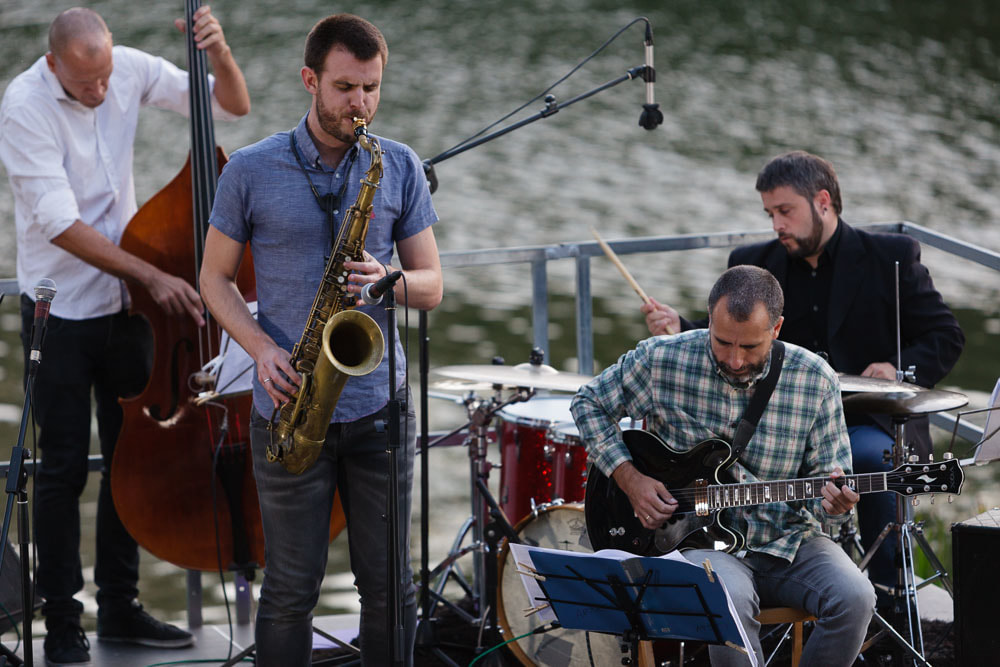
Mendigorria International Music Festival
Mendigorria

Romanesque art at the heart of the Vadorba Valley
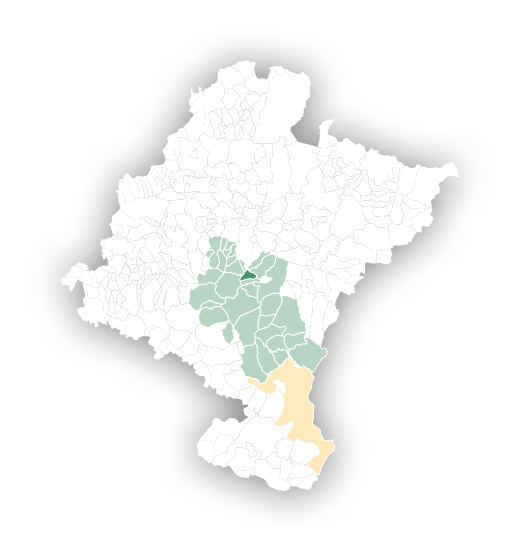
Barásoain, a municipality in the very centre of the Valdorba Valley, is home to large houses, alleyways, beautiful landscapes and Romanesque art. It boasts an old restored washhouse, which is now a green area with tables under the shade of walnut trees, an organic allotment and a small botanical garden.

Barásoain’s history can be traced back to prehistoric times, as can be seen from the arrowheads and findings from the Bronze Age. In more recent centuries, it saw fighting during the Peninsular War and the Carlist Wars. In 1492, Martín de Azpilcueta, known as Doctor Navarrus and a leading figure of the 16th century thought, was born here. This town was also the birthplace of Maestro Turrillas, a composer of musical pieces that are considered the ‘soundtrack’ of the San Fermín festivities.
As regards the town’s heritage, special mention should be made of its church, a Gothic-Renaissance building extended in the Neoclassical era, with a very wide nave and tierceron groin vaulting. The twin towers, built in 1863, add grandeur to its façade. These towers were financed with a contribution from the Archbishop of Manila, José Julián de Aranguren, who was born in the town.
The Church’s collection includes a Romanesque statue of the Virgin of Egypt, the town’s patron saint, and a Gothic Christ from the 13th century, probably the oldest in Navarre.
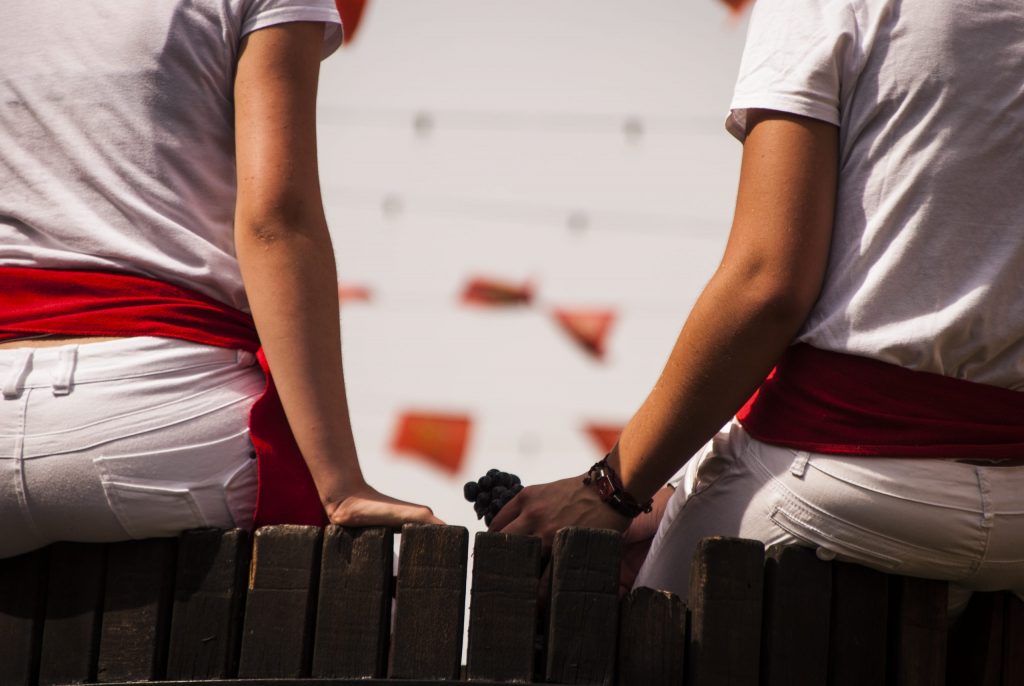
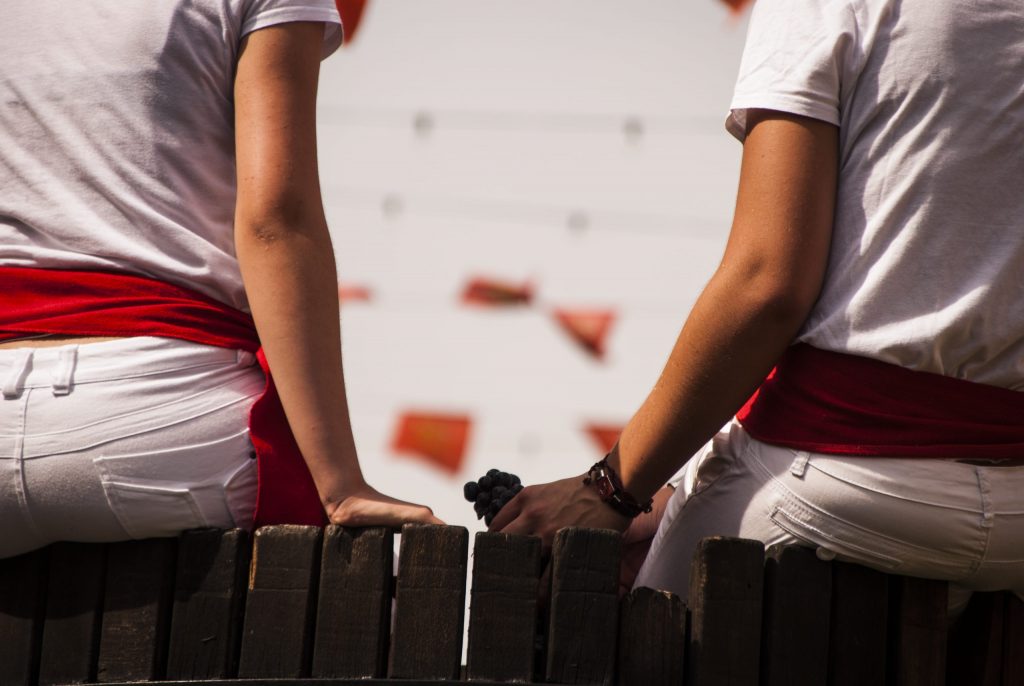
Barásoain fervently celebrates its roots during its patron saint’s festivities, with dances and music linked to Turrillas, whose anthems and jota dance music are part of the Navarrese festive soul.

Explore its landscapes, flavors and traditions alongside the people who know the territory best. Live authentic moments that speak of calm, essence, and connection with the local community.