20 September (to be confirmed)
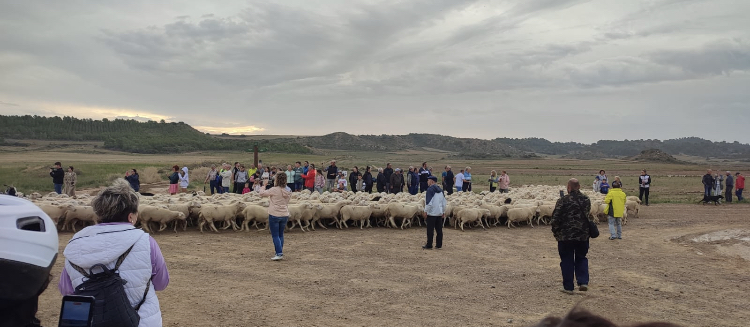
Transhumance Festival in Bardenas Reales
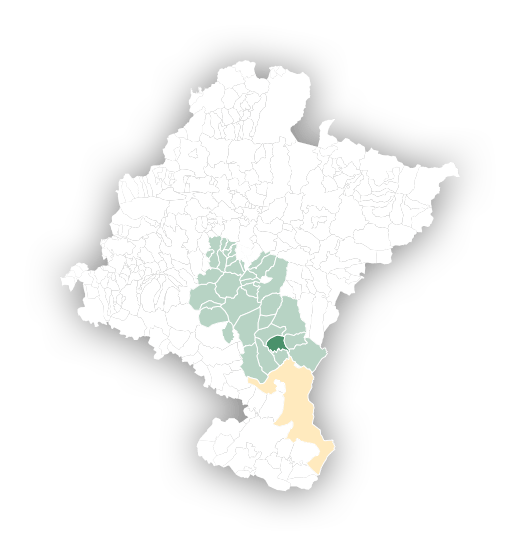
Carcastillo

Santacara stands on a fluvial terrace of the River Aragón, surrounded by dry-farmed and irrigated land reflecting its agricultural tradition since time immemorial. Its strategic location, among sandstone-clay hills and stepped terraces, has marked the town’s history and heritage down the years.
The origin of Santacara can be traced back to the Roman city of Cara, founded in the 1st century B.C. on a pre-Iron Age site. This was an important enclave on the routes between Caesaraugusta (Zaragoza) and Pompaelo (Pamplona), as can be seen from the archaeological remains found at the Cara site: mosaics, ceramics, sculptures and urban structures that have been declared Items of Cultural Interest.
Each summer, the municipality celebrates Cara Day, a historical re-enactment that relives its Roman past with a market, theatre, games and gladiator fighting.
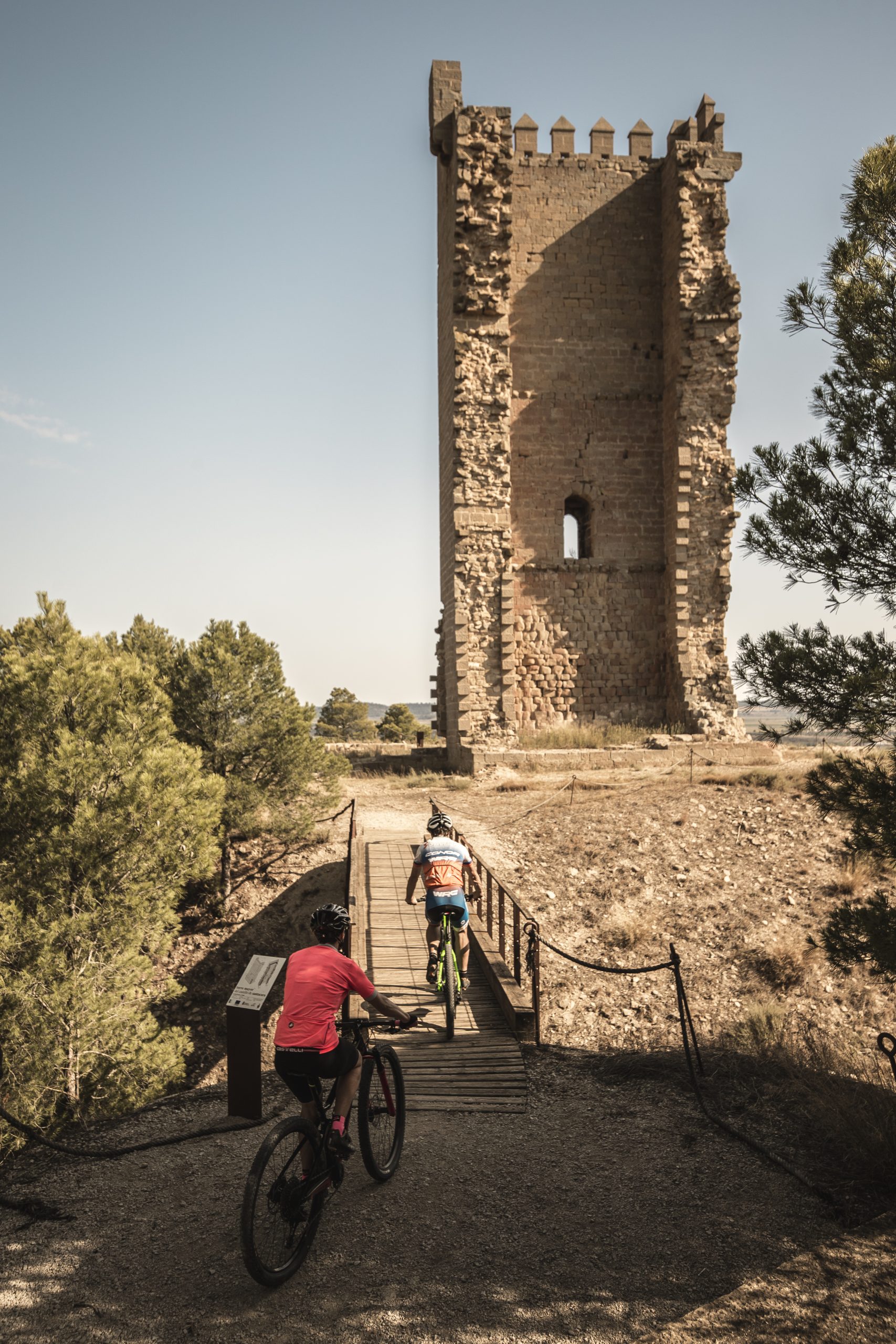
During the Middle Ages, Santacara was granted different royal privileges that bolstered its legal and tax autonomy. In 1102, Peter I of Aragon and Pamplona granted it the Caparroso frontier charter; Sancho VI the Wise of Navarre and Sancho VII the Strong of Navarre updated its pechas (tax in the Kingdom of Navarre) in 1191 and 1210, respectively. The castle was built in the 13th century and the iconic Santacara Tower, a local landmark, still stands today. The seigniory passed down through the Beaumont family and was the scene of conflicts during the Navarrese civil war; it was occupied by the Count of Lerín in 1499.
The heritage open to the public includes the Parish Church of Nuestra Señora de la Asunción, in the proto-Gothic style with Cistercian influences, and the 18th-century Shrine Chapel of Santa Eufemia near to the Roman site. The emblazoned houses in the town reflect the historical importance of its noble families. You can also visit the ‘Civitas Cara’ Archaeological Centre, that exhibits the findings from the local digs. Remains have also been found in Santacara that are currently in the Museum of Navarra.
The patron saint’s festivities in honour of the Virgin of the Assumption are held from 14 to 20 August.
Explore its landscapes, flavors and traditions alongside the people who know the territory best. Live authentic moments that speak of calm, essence, and connection with the local community.