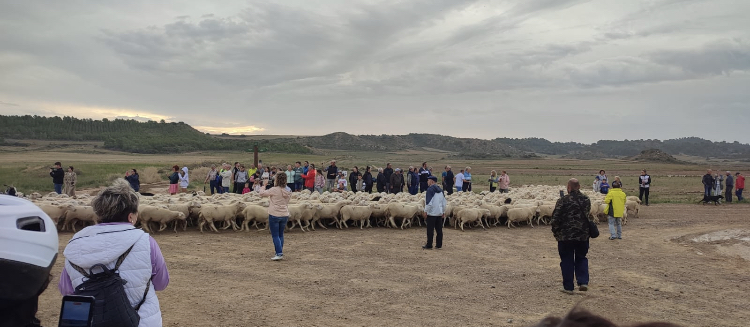
20 September (to be confirmed)
Transhumance Festival in Bardenas Reales
Carcastillo

Its history can be traced back to the Upper Palaeolithic
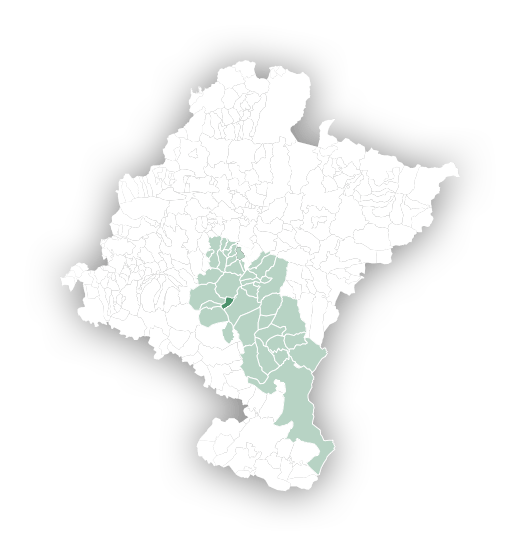
Tiebas-Muruarte de Reta is made up of the council districts of Tiebas (which includes part of Campanas) and Muruarte de Reta, and is a Navarrese municipality with a wealth of history in a scenic setting. Its municipal district, which the Sierra de Alaiz mountains run through, has been a strategic enclave of Central Navarre from time immemorial.
The history of Tiebas dates back to the Upper Palaeolithic, with findings in the Lezea cave (Magdalenian, between 15,000 and 8,000 BC), along with Iron Age forts in Murugain and Muruarte.
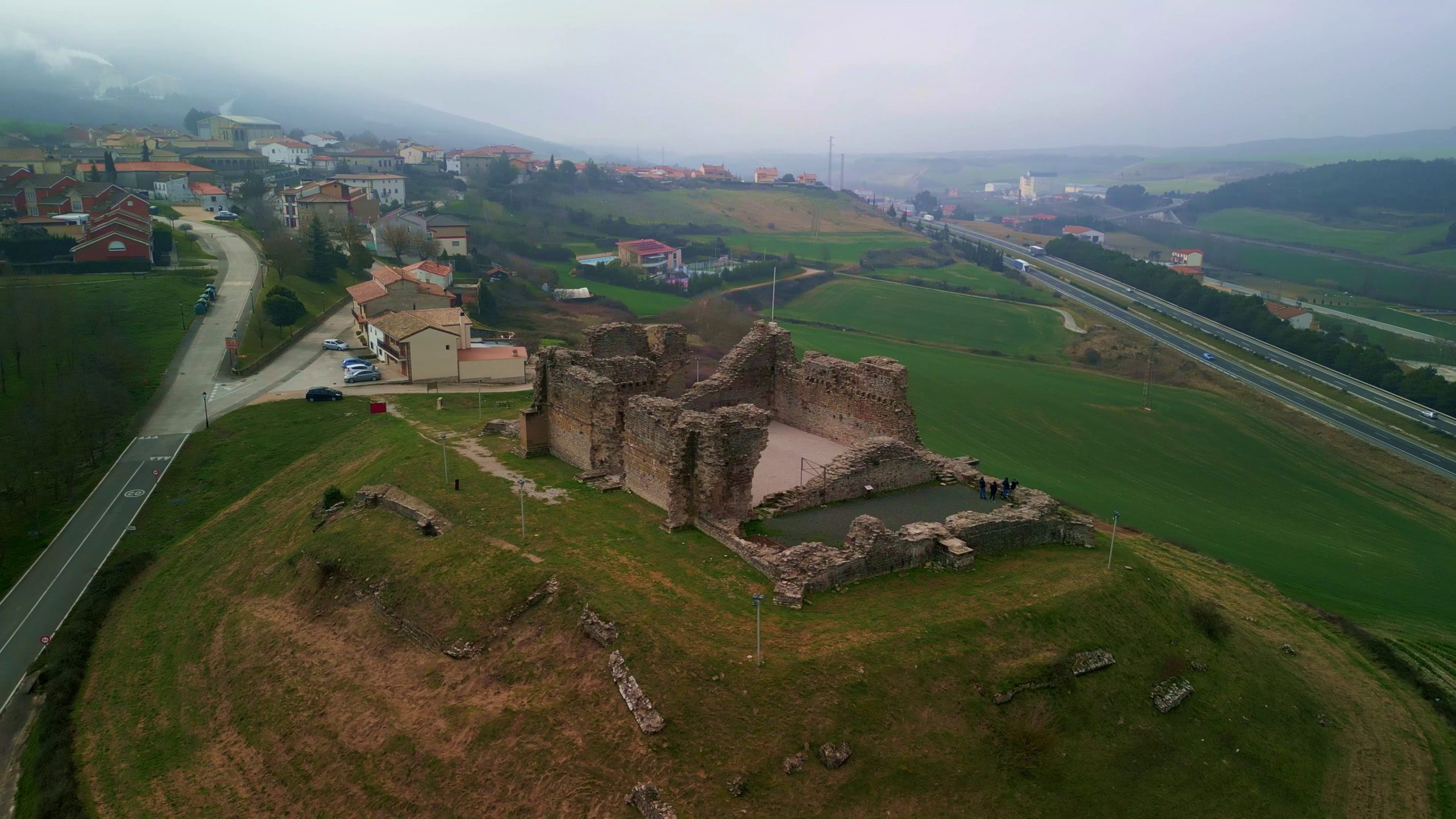
Under the Romans, the Via Ravenate road connected Caesaraugusta (today’s Zaragoza) and Pompaelo (Pamplona), and ran through this area. In the Middle Ages, King Teobald II turned Tiebas into a royal seat, granting it a charter in 1264 and ordered the construction of the castle-palace, which was a residence, archive, treasury and prison. It was destroyed in 1378 and rebuilt by the Beaumonts, and was later owned by the House of Alba. Under the aegis of the Central Navarre Consortium, the Town Council organises the ‘Tiebas, Royal Court of Navarra’ festivity.
The heritage includes the Church of Santa Eufemia (14th century), in the rural Gothic style, with decorative features reused from the castle and a carving of the saint dated in 1612. Her feast day is celebrated every 16 September. The Church of San Esteban, the one dedicated to St. Francis Xavier, the Shrine Chapel of Santo Cristo and the Church of San Juan Bautista in Muruarte are noteworthy. As regards the natural environment, special mention should be made of the Peñartea Crag, the Diablozulo natural bridge, the Murugain fort and the uninhabited Gorriz Lucea village, linked to the Knights Hospitaller since the 13th century.
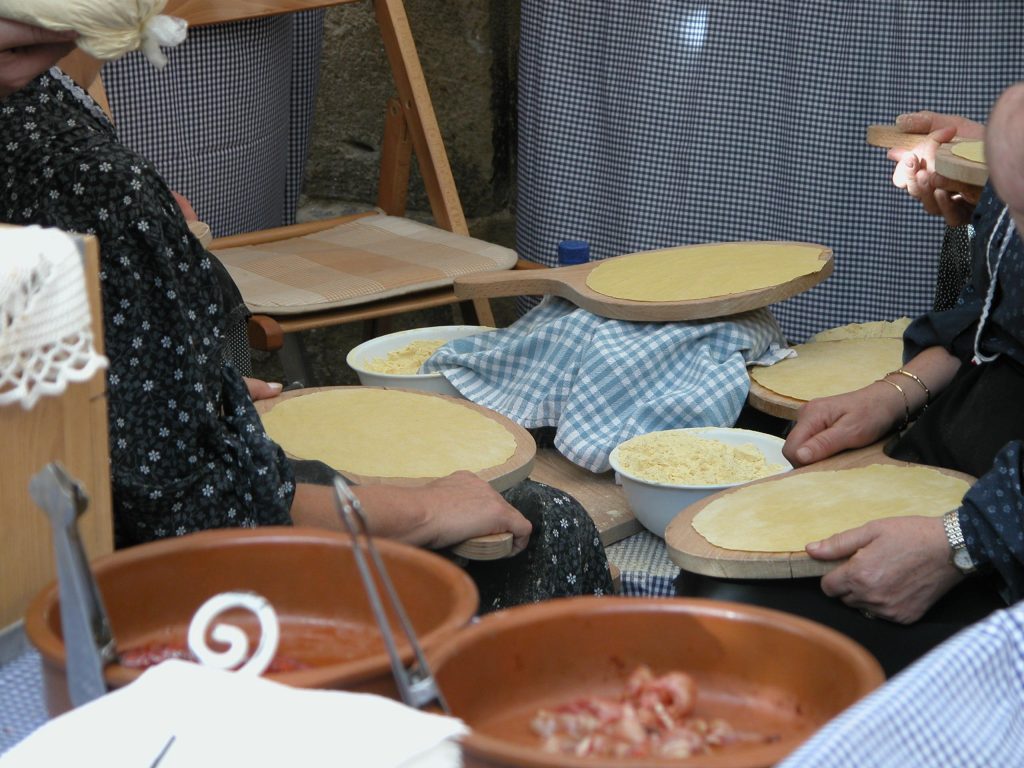
The local cuisine is based on traditional products, such as roast lamb, chistorra sausage, pocha white beans and Navarrese cheeses. The patron saint’s festivities, pilgrimages and events such as the Livestock and Agricultural Show bolster the municipality’s community and cultural ties.
Explore its landscapes, flavors and traditions alongside the people who know the territory best. Live authentic moments that speak of calm, essence, and connection with the local community.