
28 July - 11 August (2026 dates to be confirmed)
Mendigorria International Music Festival
Mendigorria

Enjoy birdwatching in Middle Navarre. All the information you need about sightings at Pitillas Lagoon and Dos Reinos Lagoon
When we say that there is a great deal to do here, it’s true and even includes birdwatching. Middle Navarre is a spectacular natural area for birdwatching. Discover the best places to watch birds in their natural habitat in this article.

Discover the magic of Pitillas Lagoon, a protected nature reserve declared a Special Protection Area and a wetland of international importance. This lagoon is the largest in Navarre and one of the most important in the River Ebro Valley; this 216-hectare natural treasure boasts bitterns, harriers, bearded reedlings and herons.
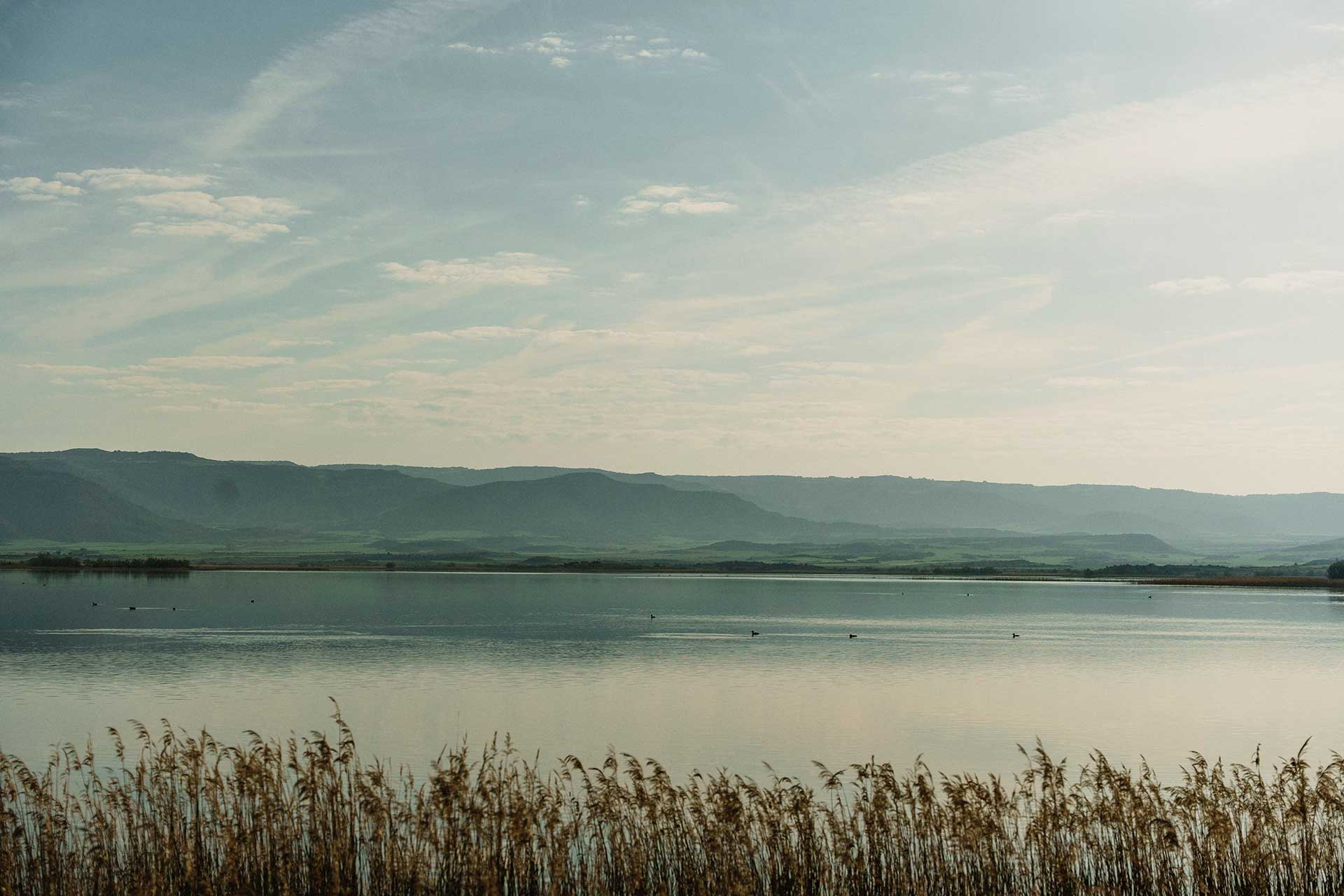
It is home to a wide variety of birds and other animals, and is also a unique spot for enjoying the tranquillity of nature and beautiful sunsets. If you are lucky, you can hear the mooing of the Bittern, the most spectacular and evasive of the heron family at Pitillas Lagoon, at sunset in spring. Apart from being home to and providing shelter to many species of birds, this wetland is the habitat of dragonflies, the Provence Hairstreak butterfly and animals including the common frog, the European pond turtle, the European mink and the otter.
You can visit Pitillas Lagoon at any time of year. We recommend visiting in different seasons to appreciate all of the changes that occur throughout the months:
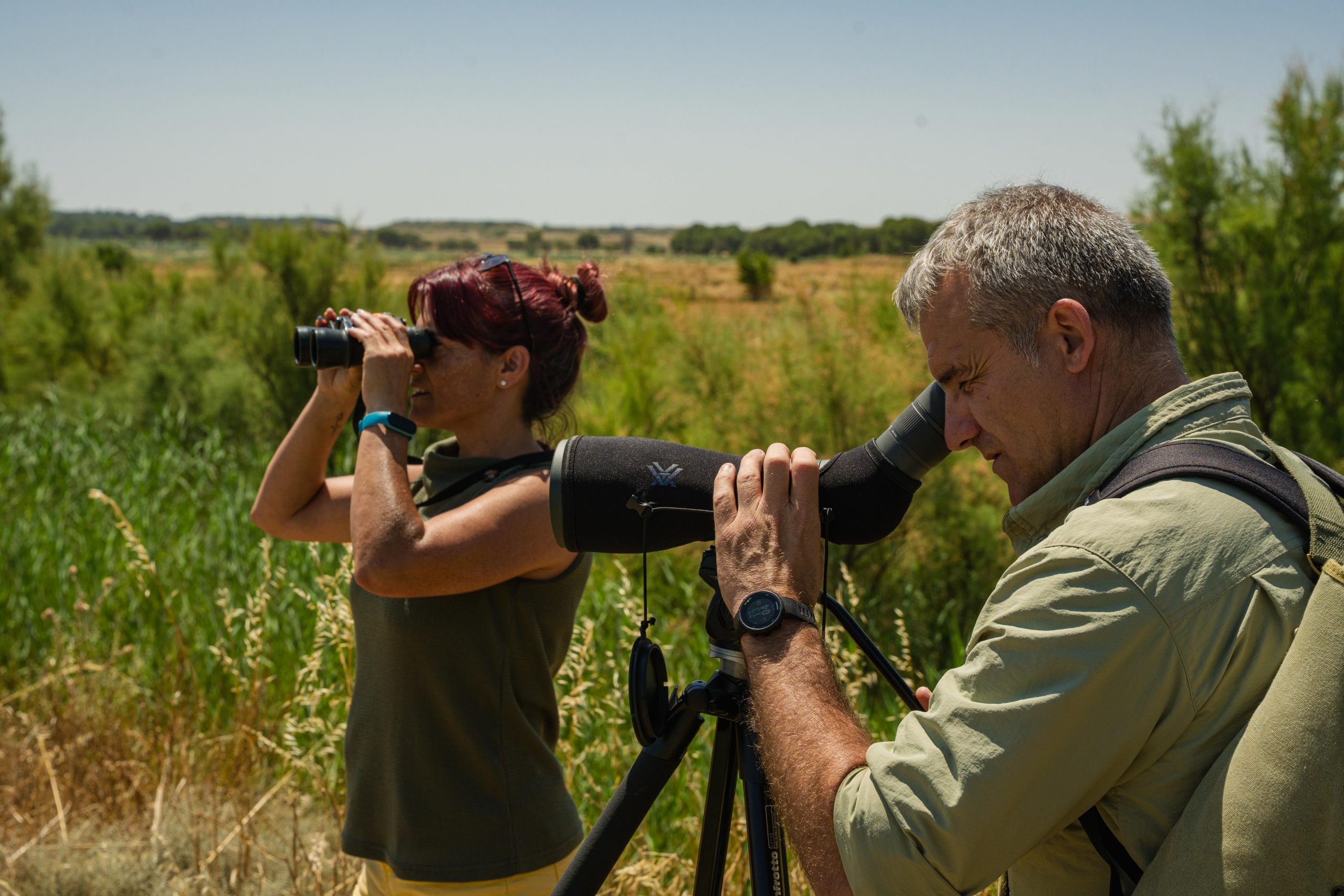
Learn all about the wetland and its characteristics at the lagoon’s bird observatory, which is equipped with guides and binoculars for watching birds, along with information panels and other materials.
Choose from a range of self-guided routes so that you will not miss anything in this fantastic place:
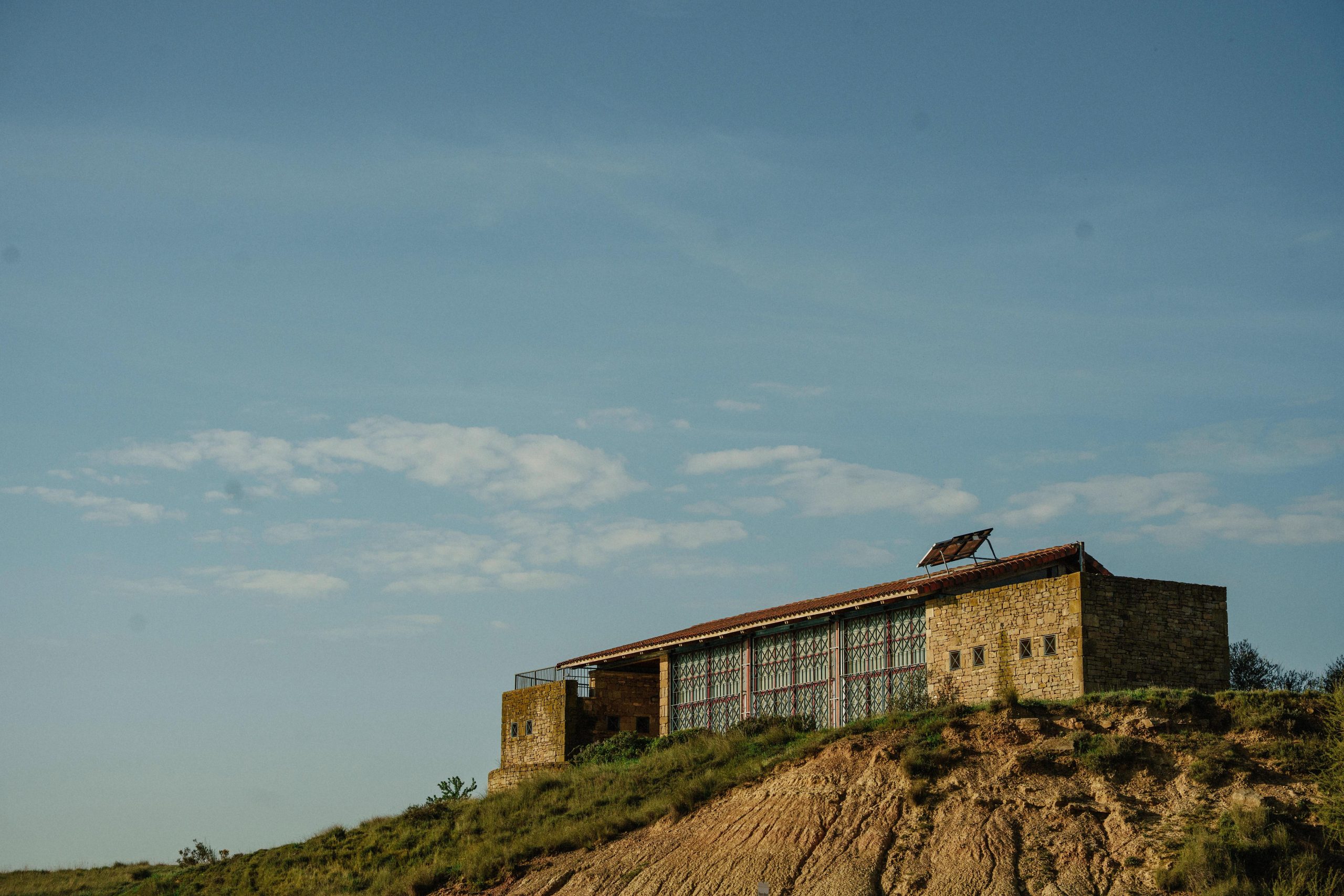
To access the wetland, you need to take a track located about 2 km from Pitillas, on the road between Pitillas and Santacara.
Admission is free but opening hours vary depending on the season in which you decide to visit.
Check the up-to-date opening hours on their website.
Explore the beautiful Dos Reinos Lagoon, an impressive protected artificial wetland located in Carcastillo. Spend a day surrounded by nature and diversity in this refuge of high environmental value. You will be amazed by the number of species that inhabit this lake, including a wide variety of birds and the European mink, which is an endangered species. Discover this magical spot full of life in the heart of nature.
Use your visit to take a break from the screens and go on the look for water birds, the stars of the lagoon. The best known species that nest there are the Bittern and Little Bittern, the Purple Heron and the Marsh Harrier. The Bearded Reedling is also a year-round resident and is famed for its splendid black moustache. The Eurasian Spoonbill summers there and waders are often seen moving along its banks on their thing legs as they search for food.
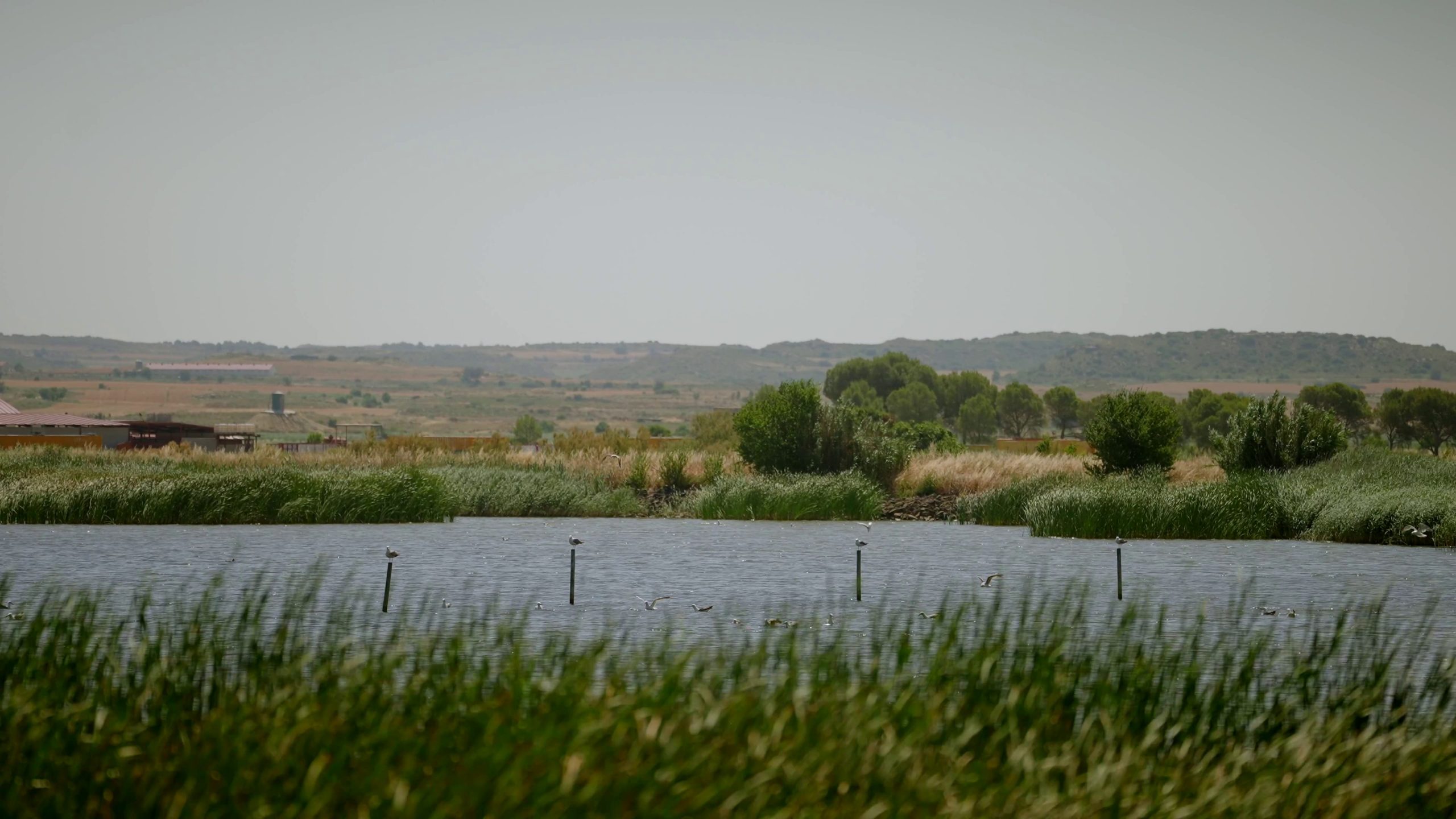
In winter, Dos Reinos Lagoon is visited by the Common Teal, the Northern Shoveler, the Mallard Duck, the Gadwall and the Eurasian Wigeon. Each year, it is the site of the spectacular wintering of the Common Crane from November to March. Thousands of these birds come from Germany, Sweden, Finland, Latvia and other northern European countries in search of a precious commodity: food. After stocking up, they return to their breeding lands. And even though the lagoon is best known for the cranes, the Penduline Tit and the Reed Punting also spend the winter there.
It is true that birds hold sway at Dos Reinos, but the lagoon is also home to the European mink, the Eurasian otter, marbled newts and the common spadefoot and natterjack toads. A great, great deal of life in just over 30 hectares.
Here is everything you need to know to plan your journey to the lagoon, whether you are a keen birdwatcher or you just want to spend some time in peace and quiet of nature.
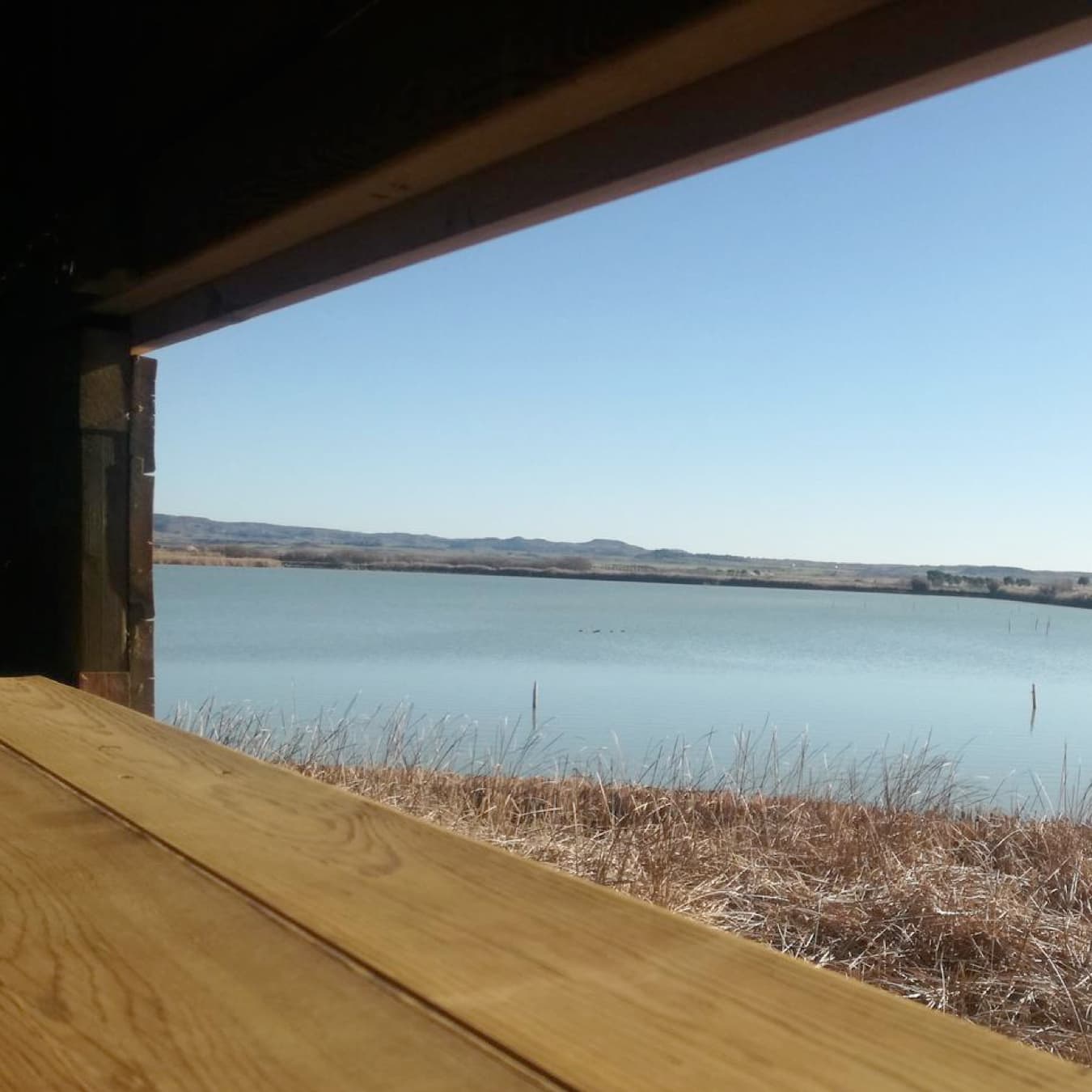
In addition to the two Lagoons, the Bardenas Reales badlands are outstanding for bird watching, meaning you have three birding options for your visit. Another very good option is visit the copses along the banks of the Arga or Aragón rivers, as they provide many bird watching opportunities or the mountains of the Valdorba valleys, which are home to one of Europe’s largest concentrations of birds of prey.
Explore its landscapes, flavors and traditions alongside the people who know the territory best. Live authentic moments that speak of calm, essence, and connection with the local community.